Nine commercial plunges across two sites — one common root cause
The situation
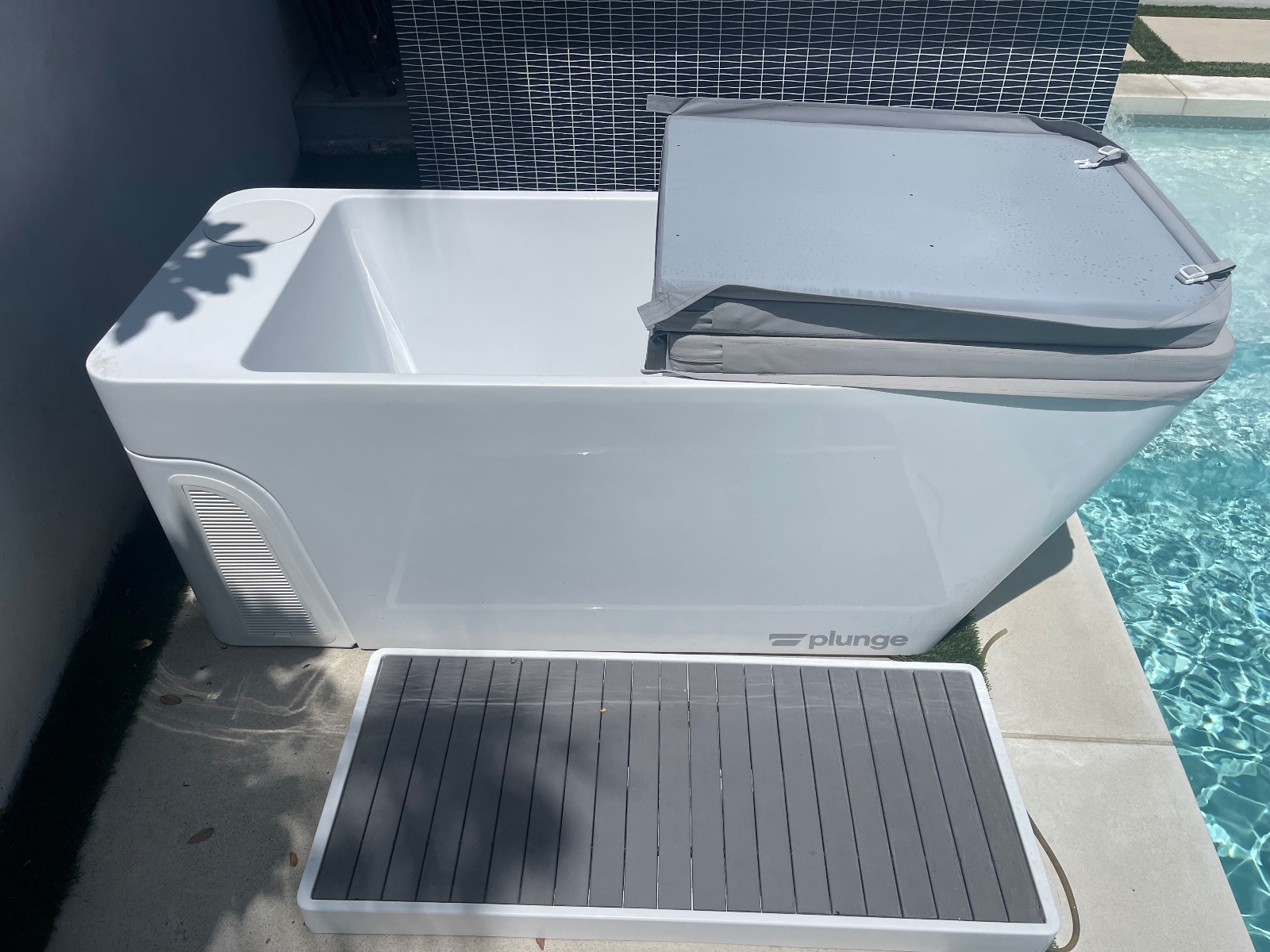
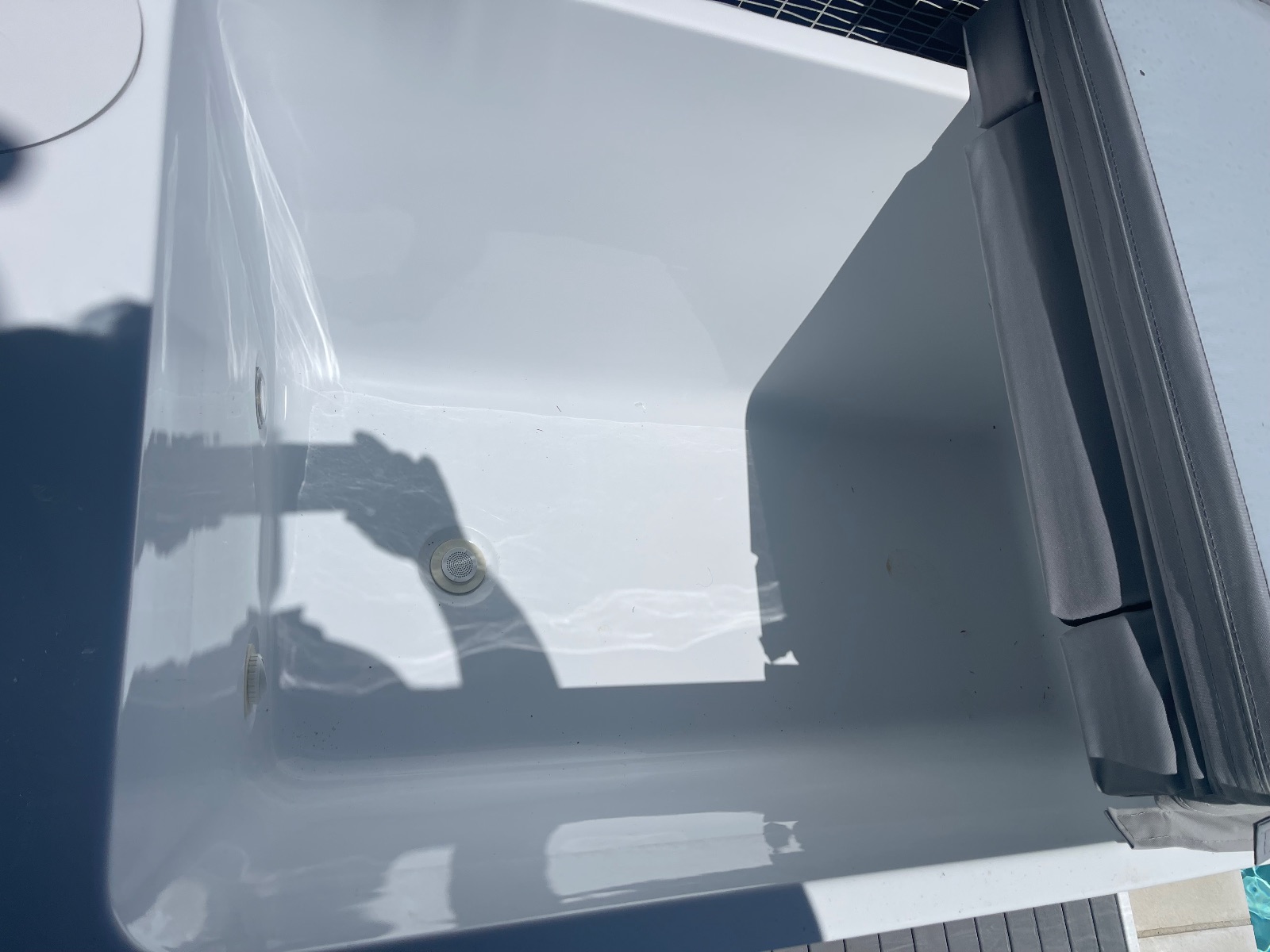
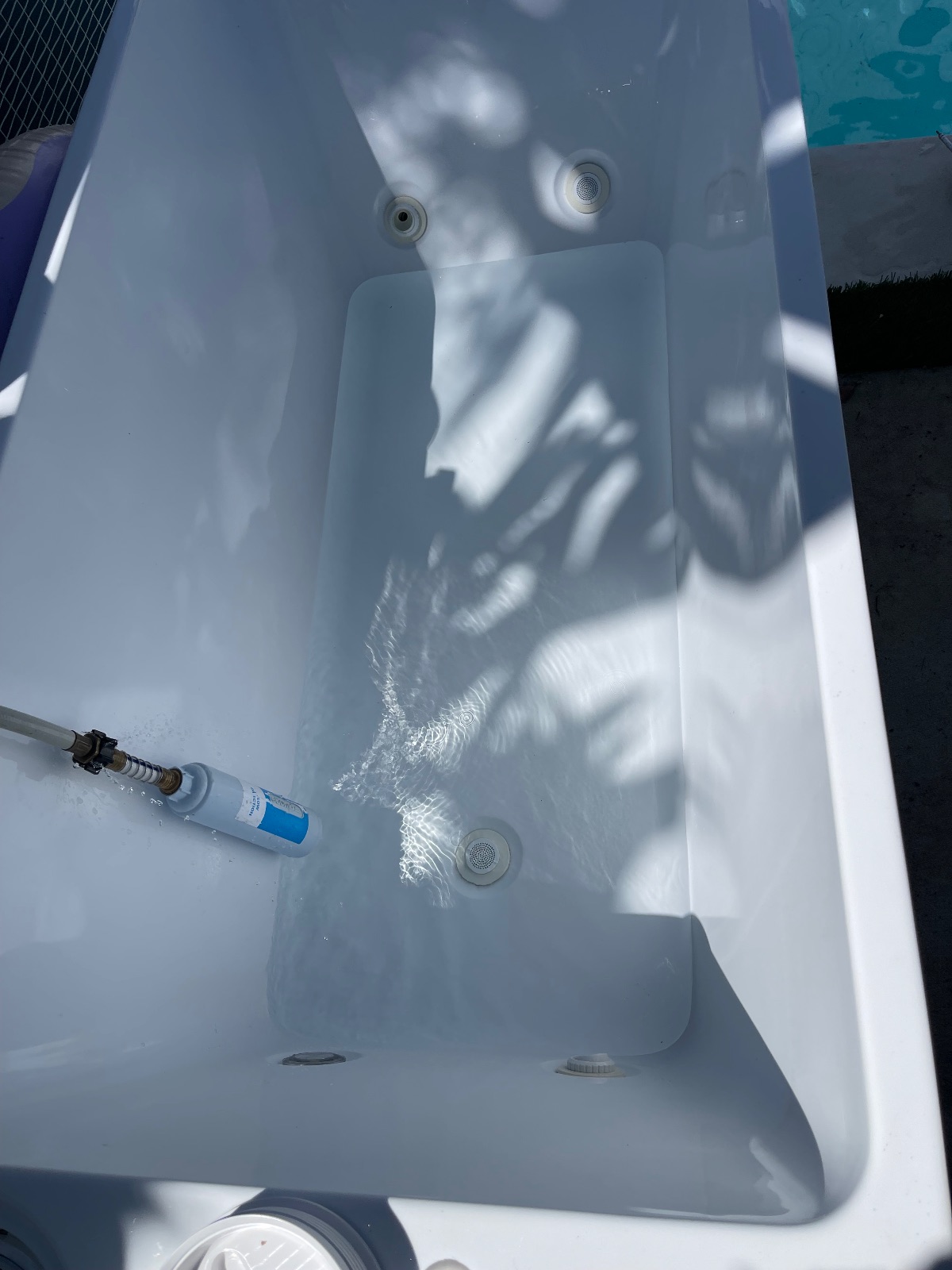
A multi-location recovery-studio chain had us diagnose the commercial cold plunges at two of its sites. We worked through nine plunges across the two locations in two days.
What we found
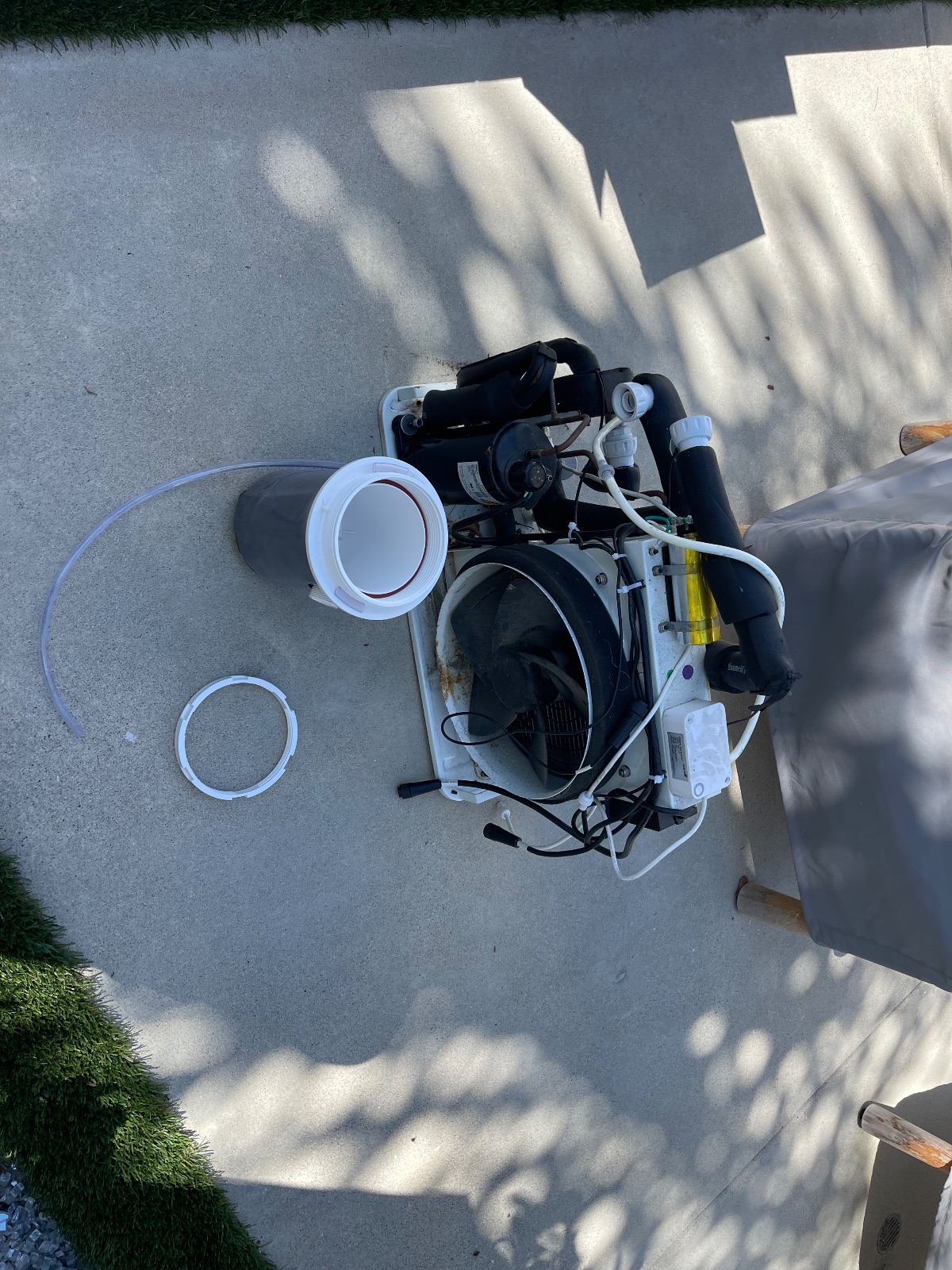
Unit after unit pointed to the same root cause: condenser coils clogged with dust.
The science
A chiller pulls heat out of the water and dumps it into the surrounding air through its condenser coil. Dust packed into the coil's fins acts like a blanket and chokes the airflow across it, so the refrigeration loop can't shed heat and loses cooling capacity. The compressor works harder for less result. Plunges in busy commercial rooms pull in a lot of airborne dust, which is why coil cleaning belongs on a commercial maintenance schedule.
What we did
Cleaned the condenser coils on site and restored cooling on the units that were running.
Root cause identified across both sites in two days. Coils cleaned on site, and cooling restored on the running units.